

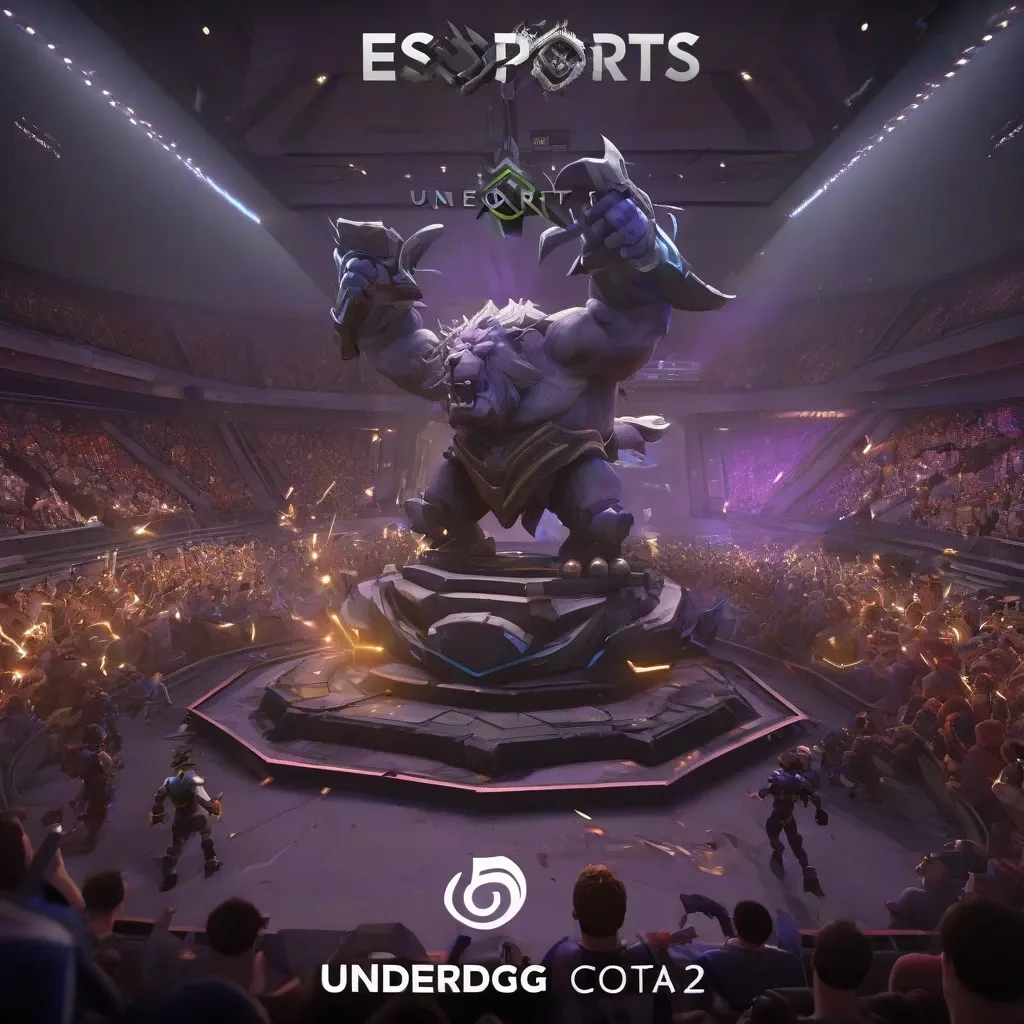
Remember that jaw-dropping moment at the International Dota 2 Championships last year? When the relatively unknown squad, “Team Undercity,” stormed through the lower bracket, knocking out titans like “Virtuoso Gaming” and “Apex Predators”? The esports world exploded. Analysts were left scrambling, predictions lay in tatters, and fans were both ecstatic and bewildered. Team Undercity, a team barely on anyone’s radar, became the dark horse story of the year.
Esports, with its dynamic meta-shifts, emerging talent, and high-pressure environments, is a breeding ground for upsets. These David-versus-Goliath scenarios are not just exciting anomalies; they offer profound insights into the competitive landscape. The fall of an overhyped team and the rise of an underdog are common.
But can we anticipate these seismic shifts? Is there a method to the madness, a way to identify the potential for esports upsets before they happen? This article delves into the art of prediction and provides a framework for understanding the key factors that contribute to unforeseen victories. Let’s explore the elements that transform a dark horse into a champion, and learn how to spot the next big surprise before the tournament begins.
Why Esports Upsets Are More Common Than You Think
Esports, with its dazzling displays of digital dexterity, often throws curveballs that leave fans stunned. While upsets are part of any competitive arena, they seem to be a recurring theme in esports, happening far more frequently than in traditional sports. But why is this the case? Several factors contribute to this phenomenon, setting the stage for underdog victories that rewrite the narrative.
One major factor is the dynamic nature of esports “meta.” Unlike traditional sports with relatively stable rules and equipment, esports titles are constantly evolving. Game developers regularly introduce balance changes, new characters, weapons, or strategies, creating a ripple effect that can upend established hierarchies. A team dominating one patch might find themselves struggling after a significant update, opening the door for others to rise. The rapid cadence of these meta shifts forces teams to constantly adapt, creating opportunities for innovative strategies from unexpected contenders to shine. Traditional sports have rule changes far less often than we see massive balance patches in games like Dota 2 or Counter-Strike.
Accessibility also plays a crucial role. The barrier to entry into esports is significantly lower than in traditional sports. Aspiring athletes often face years of training, expensive equipment, and limited access to elite coaching. In contrast, esports requires a computer, internet connection, and dedicated practice. This lower cost of entry opens the floodgates to a wider pool of talent from diverse backgrounds. The global nature of online gaming further amplifies this effect as unique regional playstyles clash, leading to unpredictable outcomes as teams struggle to adapt to unfamiliar strategies. This, in turn, fuels more upsets than one might see on a traditional sports field.
The Anatomy of an Upset: Key Factors to Watch For
Upset victories, those glorious moments where the underdog triumphs, aren’t born of pure luck. They’re often the culmination of specific, identifiable factors aligning in the right way. Spotting these factors can significantly improve your ability to predict, or at least anticipate, when an upset is brewing.
Team Adaptability: The Art of the Pivot
One of the most crucial elements is team adaptability. Can a team quickly adjust their strategies mid-game in response to their opponent’s tactics? Teams that show a willingness and ability to deviate from their standard playbook are far more likely to pull off an upset when their initial approach falters. For instance, a team known for aggressive early-game pushes might surprise everyone by adopting a more defensive, counter-attacking style if their initial aggression is effectively shut down.
Recent Performance Trends: Momentum is Key
Forget overall rankings; pay attention to recent performance. A team on a hot streak, even if they’re ranked lower, carries significant momentum. This momentum translates to increased confidence, better synergy, and a heightened ability to execute under pressure. Conversely, a highly ranked team on a losing streak might be ripe for an upset, regardless of their historical dominance.
Map and Character Matchups: When Underdogs Excel
Specific map matchups or character matchups can also heavily influence upset potential. Some teams simply perform better on certain maps due to their strategic understanding or preferred playstyle on that particular terrain. Similarly, a team might have a unique mastery of specific characters that gives them a distinct advantage against opponents who are less familiar with those matchups. Consider, for example, a team with an exceptional “sniper” player on a map with long sightlines – they could become a major upset threat against a team that struggles in those engagements. Remember that past performance is not a predictor of future outcomes, and these are the key concepts to identify an upset.
Exploiting the Hype: Identifying Overrated Teams
The roar of the crowd, the endless highlight reels, the analyst’s confident predictions – all contribute to the hype machine surrounding certain esports teams. But savvy fans and bettors know that separating genuine contenders from the flavor-of-the-month requires a critical eye. It’s about looking beyond the amplified narratives and diving into what truly defines a team’s mettle.
One major driver of inflated perception is public sentiment. A team with charismatic players or a compelling underdog story can quickly become a fan favorite, regardless of their actual performance. This groundswell of support translates to skewed expectations and an overestimation of their chances. It’s easy to get caught up in the wave, but remember to ask: are the cheers justified by consistent wins against top-tier opponents, or are they simply louder because more people are rooting for them?
Statistical analysis can also be misleading if not approached with caution. An impressive win rate might mask a team’s tendency to falter against specific playstyles or their vulnerability in high-stakes situations. A team might rack up wins against lower-ranked opponents, creating the illusion of dominance. The real test lies in their ability to perform under pressure, in tournaments where the competition is fierce and the lights are bright.
So, what are the red flags to watch for? A heavy reliance on a single star player is a classic sign. If that player has an off day, the entire team crumbles. Another is consistently poor performance in crucial moments – choking under pressure is a hard habit to break. Finally, be wary of teams that haven’t adapted to meta shifts or struggle against unconventional strategies. True contenders evolve; overrated teams stagnate, clinging to what worked in the past, until they are brutally exposed when facing a serious challenger.
The Underdog Advantage: How Less-Favored Teams Can Win
In the electrifying arena of competition, whether it’s traditional sports or the fast-paced world of esports, the underdog narrative always captivates. While favored teams carry the weight of expectation, underdogs often possess a unique blend of strategic and psychological advantages that can pave their way to victory. It’s not just about luck; it’s about leveraging their position to outmaneuver, outthink, and ultimately, outperform their seemingly superior opponents.
One of the most significant advantages an underdog team possesses is the freedom that comes with lower expectations. Without the intense pressure to maintain a winning streak or uphold a prestigious reputation, they are often more willing to take risks, experiment with unconventional tactics, and push the boundaries of their capabilities. This lack of pressure allows for a more fluid and adaptable gameplay, unburdened by the fear of failure that can plague more established teams.
Underdogs frequently compensate for resource disparities through innovative strategies. This might involve countless hours dissecting game film and identifying crucial weaknesses, leading to the development of bespoke tactics tailored to exploit specific vulnerabilities. These strategies can catch opponents off guard, disrupting their rhythm and forcing them to react, often leading to errors and opening opportunities for the underdog to capitalize.
Mental fortitude and team cohesion are also critical strengths for underdogs. Faced with adversity, a team united by a shared sense of purpose and an unwavering belief in their ability to overcome challenges can achieve remarkable feats. This “esports mindset,” where resilience, adaptability, and clear communication reign supreme, enables underdogs to weather storms, learn from setbacks, and emerge stronger, ready to seize their moment of triumph.

Actionable Strategies: Predicting and Profiting from Upsets
Predicting upsets in esports is part art, part science. It’s about diving beyond surface-level stats and understanding the subtle factors that can allow an underdog to triumph. This section provides actionable strategies that anyone can use to improve their upset prediction skills, whether for esports betting, dominating fantasy leagues, or simply enhancing their viewing experience. Success in this area translates to the potential for significant financial gains through strategic betting, or simply the thrill of calling the unexpected.
Step-by-Step Guide to Upset Prediction
1. Deep Dive into Team Statistics: Don’t just look at win/loss records. Analyze individual player statistics, recent performance trends, and head-to-head records against specific opponents. Look for patterns – does a team struggle against a particular playstyle? Are there specific maps or game modes where they consistently underperform? Websites dedicated to esports statistics offer comprehensive data and filtering options to pinpoint these weaknesses.
2. Monitor Roster Changes and Team Dynamics: A seemingly minor roster change can significantly impact team synergy and performance. Keep tabs on player roles, communication styles, and how new members integrate into existing strategies. Social media platforms, team blogs, and esports news sites are valuable resources for staying informed about these crucial dynamics.
3. Analyze Coaching Staff and Strategic Approaches: A strong coaching staff can be the difference between a good team and a great one. Research the coaching staff’s history, their strategic tendencies, and their ability to adapt to changing metas. Pay attention to pre-match interviews and analysis, where coaches often reveal insights into their game plan and expectations.
4. Consider the “Motivation Factor”: Is a team playing for a championship, a playoff spot, or simply pride? Teams with higher stakes often perform beyond expectations. Conversely, a team that has already secured their position may lack the same drive and focus, creating an opportunity for an upset.
5. Don’t Underestimate the “Home Field Advantage”: In esports, this can translate to playing in front of a supportive crowd at a LAN event or having a more comfortable setup at home. This can give a psychological edge to the underdog team.
Tools and Resources
Several resources can aid in your upset prediction efforts:
- Esports statistics websites: Offer detailed team and player statistics, historical data, and performance trends.
- Social media analysis tools: Help monitor team communications, player sentiments, and track reactions to roster changes.
- Esports news sites and forums: Provide in-depth analysis, expert opinions, and community discussions about upcoming matches.
Realistic Expectations and Risk Management
Predicting upsets is inherently risky. Unexpected events, individual player mistakes, and simple variance can all influence the outcome of a match. Never bet more than you can afford to lose, and always remember that even the most thorough analysis cannot guarantee a win. The appeal of upset betting lies in the potential for outsized returns, with careful research and a degree of calculated risk-taking, the rewards can be substantial, both financially and in terms of the excitement derived from correctly predicting the unpredictable.
Conclusion: Level Up Your Esports Edge
Esports, as we’ve explored, is a thrilling arena where the unexpected is not just possible, but probable. Predicting upsets isn’t about flawless foresight; it’s about understanding the intricate dance of momentum, the subtle shifts in team dynamics, and the hidden strengths of underdogs ready to seize their moment. Embrace the chaos, refine your analytical skills, and you’ll be well-equipped to navigate the electrifying world of esports upsets.
This exploration has armed you with actionable analysis, from dissecting team histories and individual player performances to recognizing the impact of meta shifts and psychological factors. Remember the value of monitoring social media buzz, as it often foreshadows changes in team morale and strategy. These aren’t mere tips; they represent a comprehensive approach to understanding the volatile nature of esports competition.
Underdog wins are not flukes. They are the culmination of dedication, strategic innovation, and the burning desire to defy expectations. By applying the strategies discussed – meticulous research, awareness of external factors, and a willingness to challenge conventional wisdom – you can move beyond passive observation and engage with esports on a deeper, more informed level. Whether you’re a seasoned bettor, a passionate fan, or an aspiring esports analyst, the ability to anticipate upsets is a valuable asset.
The esports landscape is in constant flux. New games emerge, metas evolve, and rising stars challenge established titans. Staying ahead of the curve requires continuous learning and adaptation. Implement these expert insights, observe the outcomes, and refine your prediction models as the industry continues to transform. The next big upset is already brewing; are you ready to recognize it?