
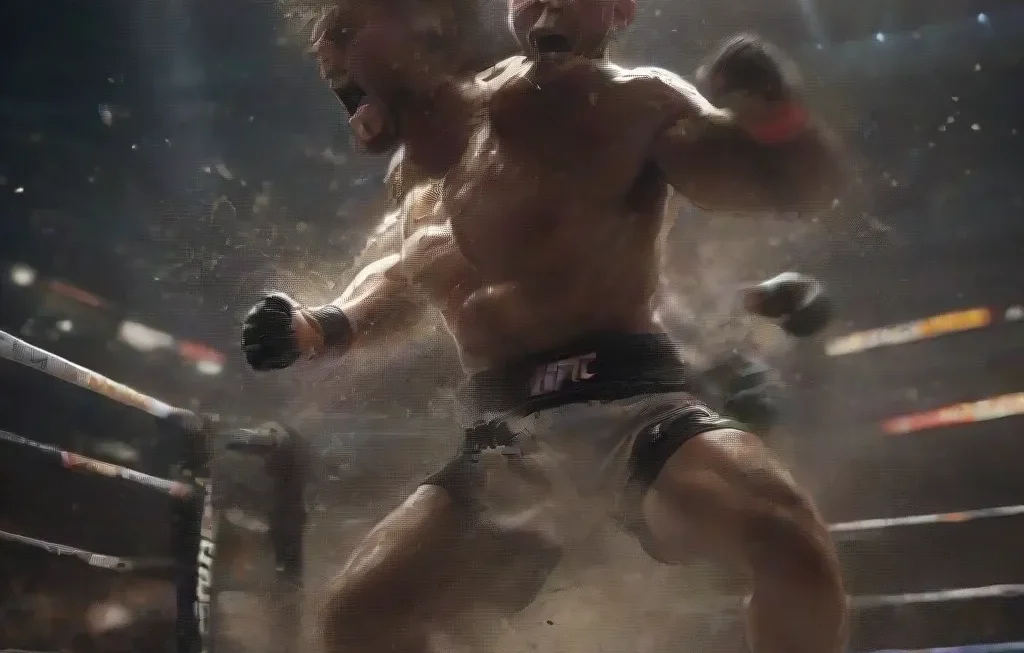
There’s nothing quite like the electricity that surges through an arena when a perfectly placed strike ends a UFC fight in an instant. A knockout is more than just a victory; it’s a statement, a highlight-reel moment etched into the memories of fans and fighters alike. These explosive finishes can define careers, catapult athletes to stardom, and solidify their place in MMA history.
Knockouts are the ultimate exclamation point in a fight. They symbolize dominance, power, and precision. A fighter known for their knockout ability carries an aura of danger, commanding respect from opponents and capturing the imagination of fans. This article delves into the world of UFC knockouts, spotlighting the greatest knockout artists to ever grace the Octagon, identifying the rising stars who are adding to the legacy of devastating finishes, and peering into the future to predict where the next generation of knockout kings and queens will emerge.
The Reigning Kings: UFC’s All-Time Knockout Leaders
The UFC is a proving ground where legends are forged in the fires of intense competition, and nothing ignites a crowd like a knockout. The elite strikers who consistently deliver these electrifying moments etch their names into the history books. As of today, the UFC’s knockout leaderboard showcases a mix of raw power, technical precision, and unwavering determination. Let’s break down some of the names that stand tall in the realm of UFC knockouts.
Derrick Lewis currently sits atop the throne with a staggering 14 knockouts. Following closely we have Matt Brown showing 13 knockouts, Anderson Silva earned 11 knockouts. Tied with 10 knockouts we have James Dober, Dustin Poirier, Max Holloway, Thiago Santos, Michael Bisping, Junior dos Santos, and Francis Ngannou. What elevates these fighters beyond simple brawlers is a combination of factors. Many deploy unorthodox angles and use of the clinch to create openings for fight-ending blows. Their physical gifts – explosive power, reach, and durability – are undeniable, but it’s the mental fortitude that separates them from the pack. The ability to remain calm under pressure, capitalize on an opponent’s mistakes, and maintain unwavering confidence in their striking ability are hallmarks of these knockout artists.
Case Study: Derrick Lewis – The Power Puncher
Derrick “The Black Beast” Lewis is synonymous with knockout power. Competing in the heavyweight division, where a single punch can change everything, Lewis has built a career on his incredible ability to shut off the lights with one strike. What’s truly remarkable about Lewis is his knack for securing finishes even when he appears to be losing. He possesses the rare ability to absorb punishment, bide his time, and then unleash a fight-ending blow from seemingly nowhere. His knockout victory against Alexander Volkov is a prime example. After being out-struck for the majority of the fight, Lewis landed a thunderous right hand in the final seconds, securing a miraculous come-from-behind victory. This exemplifies his patience, explosiveness, and unwavering belief in his knockout power.
Case Study: Matt Brown – Aggression As A Tool
Matt Brown, a welterweight veteran, embodies relentless aggression inside the Octagon. While he might not possess the one-punch knockout power of a Derrick Lewis, Brown has consistently secured knockouts with his constant pressure, brutal striking, and willingness to engage in fierce exchanges. His use of elbows in the clinch is particularly devastating, allowing him to inflict significant damage in close quarters. Brown’s fight against Diego Sanchez showcases his style perfectly, overwhelming Sanchez with relentless strikes and elbows until the fight was stopped. Brown’s success demonstrates that knockouts aren’t always about brute force; they can also be a result of relentless pressure, technical striking, and unwavering aggression.
The Science of a UFC Knockout
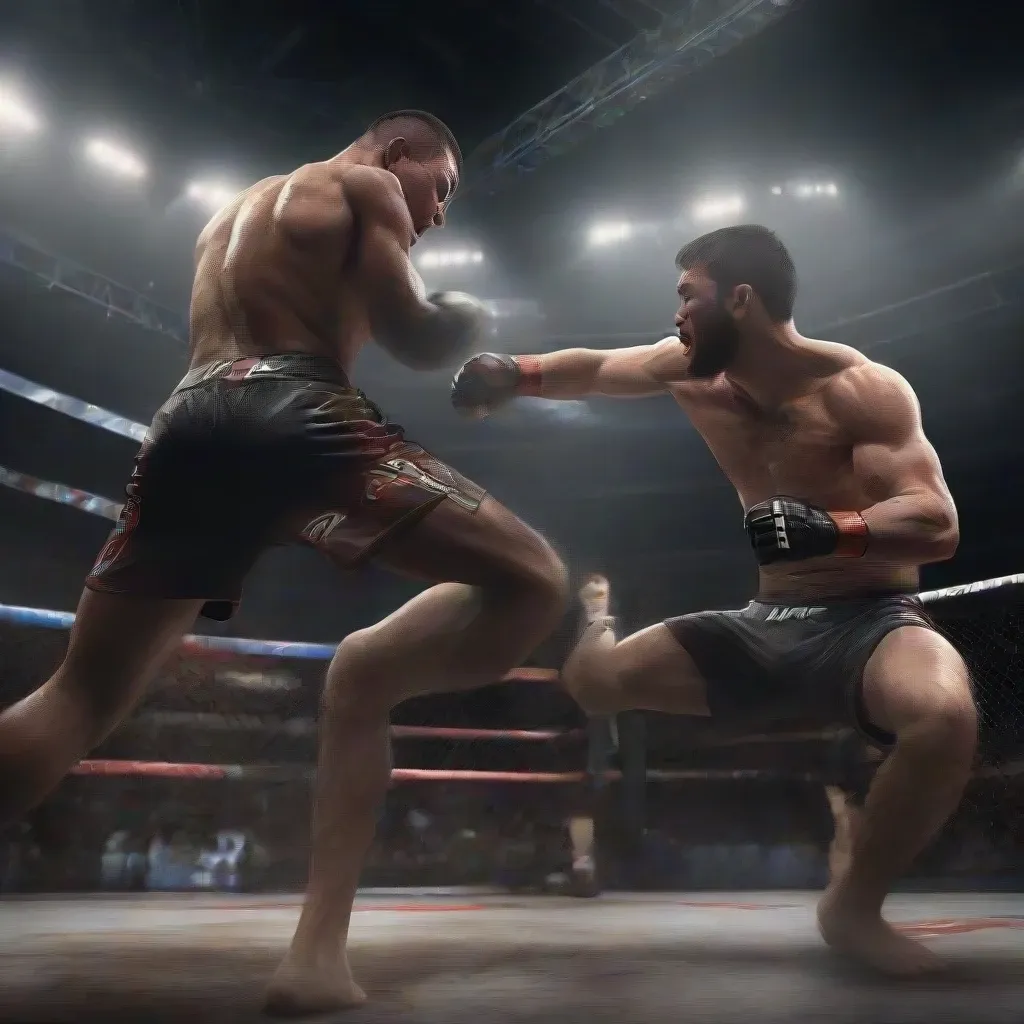
A UFC knockout is more than just a lucky punch; it’s a culmination of refined technique, strategic planning, and peak physical condition. Several elements must converge with perfect timing and execution to achieve this decisive victory. While raw power is undeniably a factor, the real science lies in effectively applying that power through strategic strikes and precision targeting.
Certain strikes have a higher probability of ending a fight. Head kicks, with their devastating potential to disrupt equilibrium, are prime examples. Overhand rights, looping powerfully over the opponent’s guard, deliver concussive force. Ultimately, the chin remains the most vulnerable target, a direct route to switching off the lights. The liver, a well-placed shot can cripple an opponent, while a strike to the temple can shut down the central nervous system.
The ability to land these fight-ending strikes consistently requires more than just brute strength; it demands a deep understanding of the human body and the mechanics of impact.
Techniques and Striking Styles
Various striking styles, each with advantages and disadvantages, provide fighters unique paths to victory. A calculated striking technique involves utilizing angles to maximize impact and disrupt balance. Setting up combinations is crucial, masking intentions and lulling opponents into a false sense of security before unleashing the knockout blow. The most effective strikers don’t just throw punches; they construct attacks. Precision is an important factor, turning a glancing blow into a fight-ender.
Physical Attributes: Power, Speed, and Accuracy
Power, speed, and accuracy form the trinity of knockout potential. Power delivers the necessary force, but without speed, it becomes telegraphed and easily avoided. Speed amplifies that power, creating a forceful impact. Accuracy allows a fighter to target vulnerable spots with maximum efficiency. These attributes are a product of relentless training, honing reflexes, and developing an intrinsic understanding of distance and timing.
Knockout power isn’t solely about muscle mass; it’s about transferring energy efficiently and delivering it with pinpoint accuracy. The speed enhances the impact, making it difficult for opponents to react in time. Accuracy ensures that the force is applied to the most vulnerable areas, maximizing the damaging effect. All these qualities create a true knockout artist.
New Contenders: The Next Generation of UFC Finishers
The UFC is a constantly evolving landscape, with new talent emerging regularly, ready to make their mark. While established champions and veterans continue to dominate headlines, a new generation of fighters is quietly honing their skills, waiting for their opportunity to explode onto the scene. Among these rising stars, several stand out for their exceptional knockout potential, hinting at a future filled with highlight-reel finishes and potential championship reigns. These are the athletes who possess not just power, but also fight IQ, precision, and the killer instinct necessary to climb to the top. These fighters are not just winning; they are finishing fights, and that is what separates them from the pack.
Fighter Spotlight:
Identifying future “Knockout Kings” requires a close look at several key attributes. Power is essential, of course, but equally important are accuracy, timing, and the ability to set up devastating strikes. A high knockout percentage is a strong indicator, but context is crucial. Are those knockouts against lower-level competition, or are they putting away seasoned veterans? Furthermore, analyzing their fighting style reveals whether they are relying solely on brute force or employing a more calculated and technical approach. Fighters who can seamlessly blend striking with grappling, or who possess unorthodox movements and angles, often pose the biggest threat to their opponents.
The Future of Knockouts: Trends and Predictions
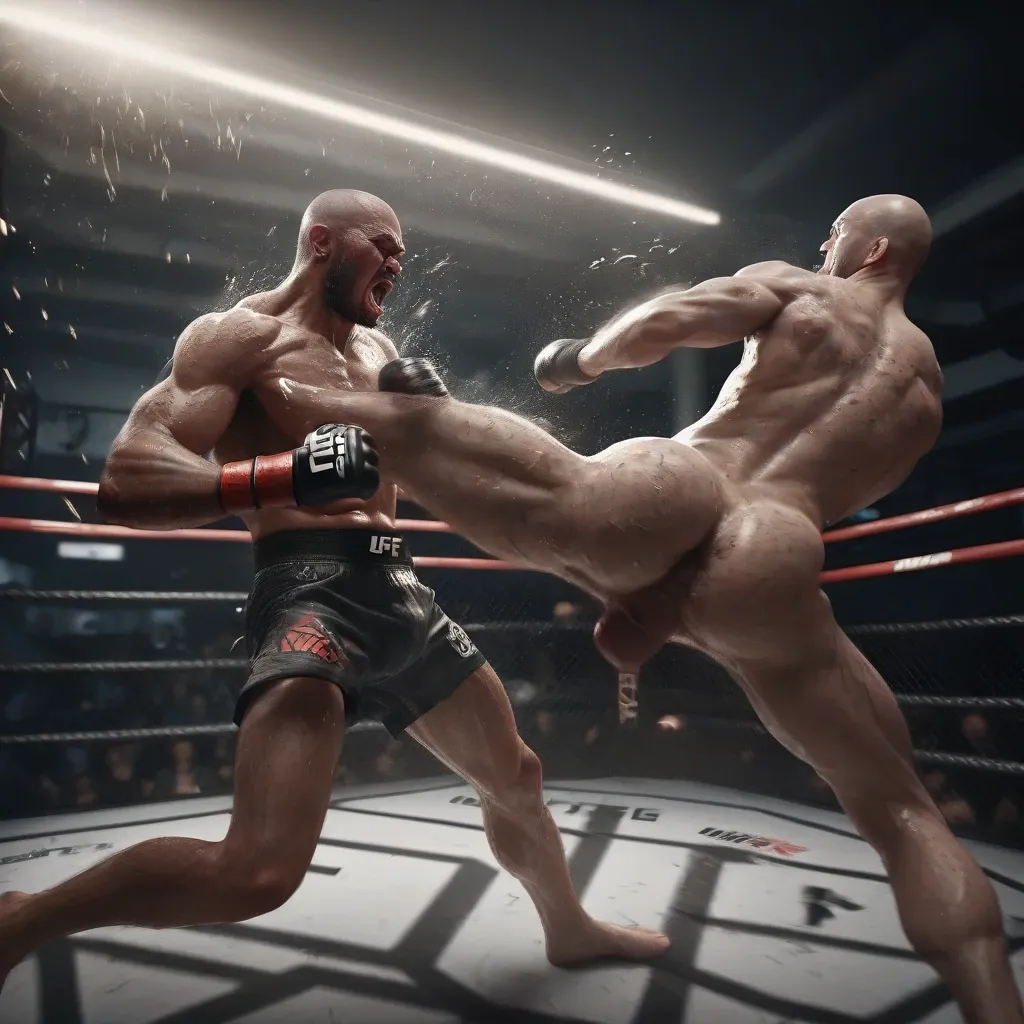
The landscape of MMA is in constant flux, and predicting the future of knockouts requires analyzing multiple evolving factors. Rule changes, for instance, can significantly impact striking strategies. A greater emphasis on fighter safety might inadvertently reduce opportunities for decisive, fight-ending blows or, paradoxically, create openings as fighters adapt to new regulations. Athletic development also plays a crucial role. As athletes become more physically gifted – stronger, faster, more durable – the ability to deliver and absorb fight-ending strikes is also affected.
Evolving strategies are perhaps the most fascinating aspect. The rise of wrestling and grappling in MMA has undeniably influenced striking dynamics. The question is whether improved takedown defense will lead to more stand-up exchanges and, consequently, more knockouts. Or, is the grappling threat so pervasive that it leads to more cautious striking, prioritizing control and point accumulation over risky knockout attempts? These trends will shape the future of knockouts in unpredictable ways.
Fighters Who Avoid Finishing Fights
In the modern MMA landscape, a curious phenomenon is emerging: fighters who consistently win decisions but struggle to secure finishes. A fighter that comes to mind is Movsar Evloev and, with promotions like Paramount seemingly prioritizing exciting, culturally significant events, the question arises: can these fighters reach the highest echelons of the sport while consistently avoiding decisive victories? There is a growing sentiment to force them to finish fights. The ability to finish fights remains a highly valued attribute, and a lack of killer instinct could potentially hinder a fighter’s ascent to title contention.
Conclusion
Merab Dvalishvili style
Few fighters embody relentless determination quite like Merab Dvalishvili. His style is not about the highlight-reel knockout, but about overwhelming opponents with constant motion and a gas tank powered by something otherworldly. Dvalishvili’s chain wrestling is a force of nature, smothering opponents and dictating the pace. He transforms every match into a grueling test of endurance and willpower, proving that victory isn’t always about the knockout punch, but about the unwavering pursuit of dominance.
UFC knockouts have evolved from displays of raw power to showcases of strategy and precision. They remain a captivating element of MMA, forever etched in the sport’s legacy. The knockout continues to thrill fans and define iconic moments. As the sport progresses, the art of the knockout will undoubtedly evolve, promising future generations of electrifying finishes and unforgettable displays of skill.