

The flashing lights, the spinning reels, and the promise of a massive payout – slot machines hold a unique allure for casino-goers worldwide. That thrill you feel isn’t accidental; it’s carefully engineered. At the heart of the slot machine’s captivating power lies dopamine, a neurotransmitter linked to pleasure and reward. Every near-miss, every chime, every visual flourish is designed to trigger a surge of this chemical, creating a highly engaging, yet potentially addictive, experience.
This text aims to provide insight into the psychology of slot machines, exploring the design elements that contribute to their captivating nature. It’s about understanding how these games tap into our natural reward systems. More importantly, this text provides strategies for responsible gaming, ensuring that the excitement of slots remains a source of entertainment, not a pathway to problem behavior. Understanding the game is understanding how to play it safe.
The Neuroscience of Slots: How Dopamine Works
Dopamine is a chemical messenger, a neurotransmitter, that acts as a crucial cog in the brain’s reward system. Think of it as the brain’s way of saying, “Hey, that was good! Do it again!” Slot machines, with their flashing lights and promises of riches, are finely tuned to exploit this system. Every pull of the lever, every spin of the reels, is a potential dopamine trigger. When those winning symbols line up, dopamine floods the brain, creating a surge of pleasure, excitement, and anticipation. This feeling is powerful, reinforcing the urge to keep playing, chasing that next dopamine rush.
It’s similar to the feeling you get when you achieve a goal you’ve been working towards or when you get a notification on social media. That little hit of dopamine motivates you to repeat the behavior. Slot machines just take this principle to a whole new, and often problematic, level. The anticipation itself becomes addictive.
Variable Rewards: The Engine of Engagement
The unpredictable nature of slot machines is a key component of their addictive pull. This is due to what’s known as a variable reward schedule. Unlike a vending machine where you always get a product for your money, slots deliver wins inconsistently. This inconsistency is what keeps players hooked.
The brain reacts strongly to this unpredictability. When rewards are not guaranteed, dopamine release actually increases, creating a heightened sense of anticipation and excitement. It’s the hope of the next win, the “almost” moments, that fuel the desire to keep playing. This technique can be seen in other areas – from social media algorithms to email marketing strategies – showcasing its effectiveness beyond entertainment.
Decoding the Design: Psychological Tricks of the Trade
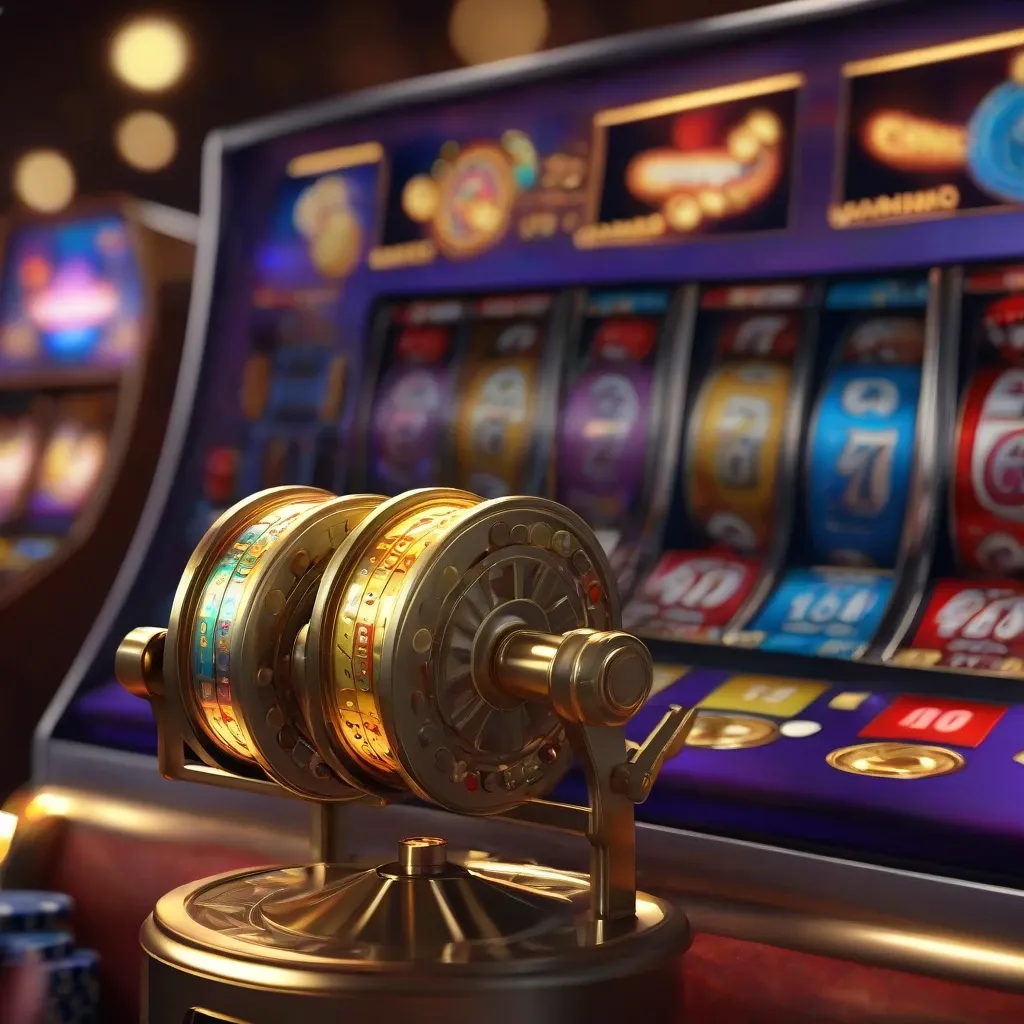
Slot machine design is no accident. It’s a carefully constructed system leveraging specific psychological principles to keep players engaged, often blurring the line between entertainment and compulsion. Several key techniques are commonly employed, subtly influencing behavior and encouraging continued play, even when logic might dictate otherwise.
One such technique is the strategic use of near misses. These instances, where symbols almost align for a win, trigger the same reward pathways in the brain as actual wins, creating the illusion of almost succeeding. This “almost there” sensation encourages the player to keep trying, convinced that the next spin will be the jackpot. The anticipation becomes addictive, fueled by the false hope of an imminent payout.
Another powerful trick is the implementation of losses disguised as wins (LDWs). These occur when a player wins an amount less than their initial bet. While technically a loss, the machine celebrates with celebratory sounds and vibrant visuals, masking the financial reality. This creates a confusing emotional response, where the player feels like they’ve won even though they’ve lost money, driving them to continue playing in the hope of a real win.
Finally, casinos use sensory overload to further manipulate player behavior. Flashing lights, loud, upbeat sounds, and vibrant colors create a stimulating and immersive environment that intensifies emotional responses. This constant barrage of sensory input can lead to a state of heightened excitement and impulsivity, making it harder for players to make rational decisions about when to stop. The feeling of being ‘in the zone’ becomes associated with the machine, further reinforcing continued play.
Audio-Visual Manipulation: Creating a Casino Atmosphere
The audio-visual landscape of a casino is meticulously engineered to promote gambling. Carefully chosen sound effects, from the clatter of coins to celebratory jingles, create an atmosphere of excitement and anticipation. Music, often upbeat and energetic, further enhances this feeling, while flashing lights and bright colors stimulate the senses and create a sense of urgency. These audio cues subconsciously encourage players to go for just one more spin, chasing the high of a potential win within the casino’s carefully constructed reality.
The Illusion of Control: Cognitive Biases at Play
The flashing lights, spinning reels, and enticing sounds of a slot machine create an environment ripe for cognitive biases to take hold. Players often find themselves caught in the web of the illusion of control and the gambler’s fallacy, mistakenly believing they possess some level of influence over a game inherently governed by randomness.
The illusion of control is a cognitive bias where individuals overestimate their ability to control events. In the context of slot machines, this can manifest in various ways. A player might meticulously choose a specific machine based on a hunch or superstition, convinced that this particular machine is “lucky.” They might develop rituals, like pressing the spin button with a certain rhythm or chanting a silent mantra, believing these actions increase their chances of winning. Even though each spin is an independent event with predetermined odds, the player feels a sense of agency, an unwarranted feeling of control.
Then there’s the gambler’s fallacy, the mistaken belief that past random events influence future ones. A common scenario is a player who has experienced a string of losses, reasoning that a win is “due” or “imminent.” They might think, “I’ve lost ten times in a row, so I’m bound to win soon!” However, each spin of the slot machine is independent. The odds of winning remain the same regardless of previous outcomes. The gambler’s fallacy leads players to make irrational decisions, often chasing losses with the false hope that their luck is about to change.
These cognitive biases, the illusion of control and the gambler’s fallacy, can significantly alter the way players perceive and interact with slot machines, turning a game of chance into a perceived battle of skill and intuition.
Beyond Entertainment: Recognizing Problematic Play
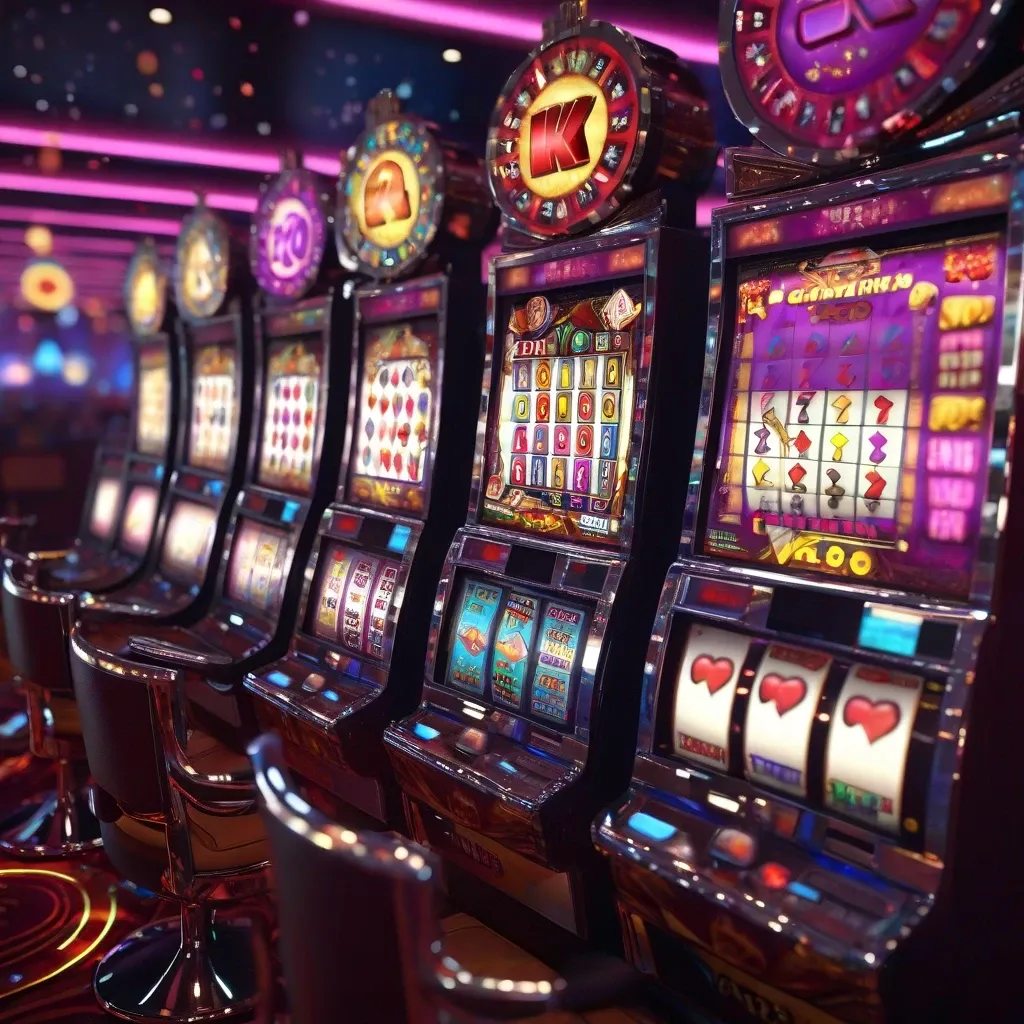
While the thrill of a game can be captivating, it’s essential to distinguish between harmless fun and the emergence of problematic gambling. The line can blur, and what starts as a recreational activity can unfortunately escalate into a serious issue. Recognizing the telltale signs of addiction is the first and most important step toward seeking help and regaining control.
How can one tell if their gambling has crossed the line? One of the most common signs is chasing losses – an urge to win back money already lost, often leading to even greater financial strain. Another red flag is spending more than one can comfortably afford. If gambling is impacting your ability to pay bills or provide for basic needs, it’s a major warning sign. Neglecting responsibilities, such as work, family, or personal commitments, in favor of gambling is another indicator that a problem exists.
Other behaviors associated with problematic gambling include: lying to conceal gambling activities, feeling restless or irritable when trying to cut down or stop, and relying on others to bail you out of financial trouble because of gambling losses. Problematic gambling can also manifest as an intense preoccupation with gambling, constantly thinking about past experiences or planning future ventures.
If you recognize any of these signs in yourself or someone you know, remember that help is available. Resources like the National Council on Problem Gambling and Gamblers Anonymous offer support and guidance for individuals and families affected by problematic gambling. Recognizing the issue is the first step towards recovery and a return to responsible gaming habits.
Playing Responsibly: Enjoying Slots Safely
Slot machines, with their flashing lights and enticing sounds, offer a captivating form of entertainment. However, like any engaging activity, it’s essential to approach them with a sense of responsibility. Playing responsibly ensures that slots remain a source of enjoyment, preventing potential harm and maintaining a healthy balance in one’s life.
Setting Limits: A Foundation for Responsible Play
One of the cornerstones of responsible gaming is establishing clear limits. Before even spinning the reels, decide on a budget and a time allocation for your session. Once you’ve reached either limit, it’s crucial to stop playing. Treat your budget as an entertainment expense, and understand that losses are a part of the experience. Avoid the temptation to exceed your predetermined limits, as this can quickly lead to chasing losses and escalating financial strain.
Understanding the Odds: Demystifying the Game
Slot machines are games of chance, and the outcome of each spin is determined by a random number generator (RNG). While certain strategies might appear to increase your chances of winning, they are ultimately based on probability. It’s important to understand that the house always has an edge, meaning that over the long run, the casino is statistically more likely to profit. By accepting this inherent advantage, you can approach slots with realistic expectations and avoid the illusion of guaranteed winnings.
Avoiding Losses: Emotional Awareness and Mindful Play
Emotions can significantly impact decision-making, especially when gambling. Avoid playing when you’re feeling stressed, anxious, or upset, as these states can impair your judgment and lead to impulsive bets. Practice mindful play by paying attention to your emotional state and recognizing when it’s time to take a break. If you find yourself becoming frustrated or angry, step away from the machine and engage in a relaxing activity. Remember, slots are meant to be a form of entertainment, and if they’re causing you stress, it’s time to reassess your approach.
Slots as Entertainment: A Perspective Shift
Perhaps the most important aspect of responsible gaming is viewing slots as a form of entertainment, rather than a source of income. The primary goal should be to have fun and enjoy the experience, regardless of the outcome. By detaching your self-worth and financial stability from the results of your play, you can approach slots with a healthier perspective. When wins occur, view them as a bonus, and when losses happen, accept them as the cost of entertainment.
Conclusion
Slot machines offer more than just spinning reels; they present a carefully constructed environment designed to engage our brains on a fundamental level. The allure of flashing lights, captivating sounds, and the anticipation of a win trigger the release of dopamine, a neurotransmitter intimately linked to pleasure and reward. This surge of dopamine reinforces the desire to keep playing, even when logic might suggest otherwise.
Understanding the psychology behind slot machines is crucial for anyone who chooses to engage with them. Game developers intentionally use near misses, variable rewards, and immersive themes to keep players hooked. Recognizing these tactics allows individuals to step back and see the game for what it is: a form of entertainment designed to be compelling.
However, the drive to continue is more dangerous when gambling ceases to be a harmless pastime and begins to take a toll on finances, relationships, or mental well-being. Recognizing the signs of problematic gambling, such as chasing losses, neglecting responsibilities, or feeling preoccupied with gaming, is the first step toward regaining control.
Adopting responsible gaming strategies is essential for maintaining a healthy relationship with slot machines. Setting time and money limits, understanding the odds, and avoiding playing when stressed or emotional are all effective ways to minimize the risks associated with gambling. By making informed choices and staying mindful of the potential pitfalls, players can enjoy the thrill of slots without sacrificing their well-being and enjoy slot machines responsibly.